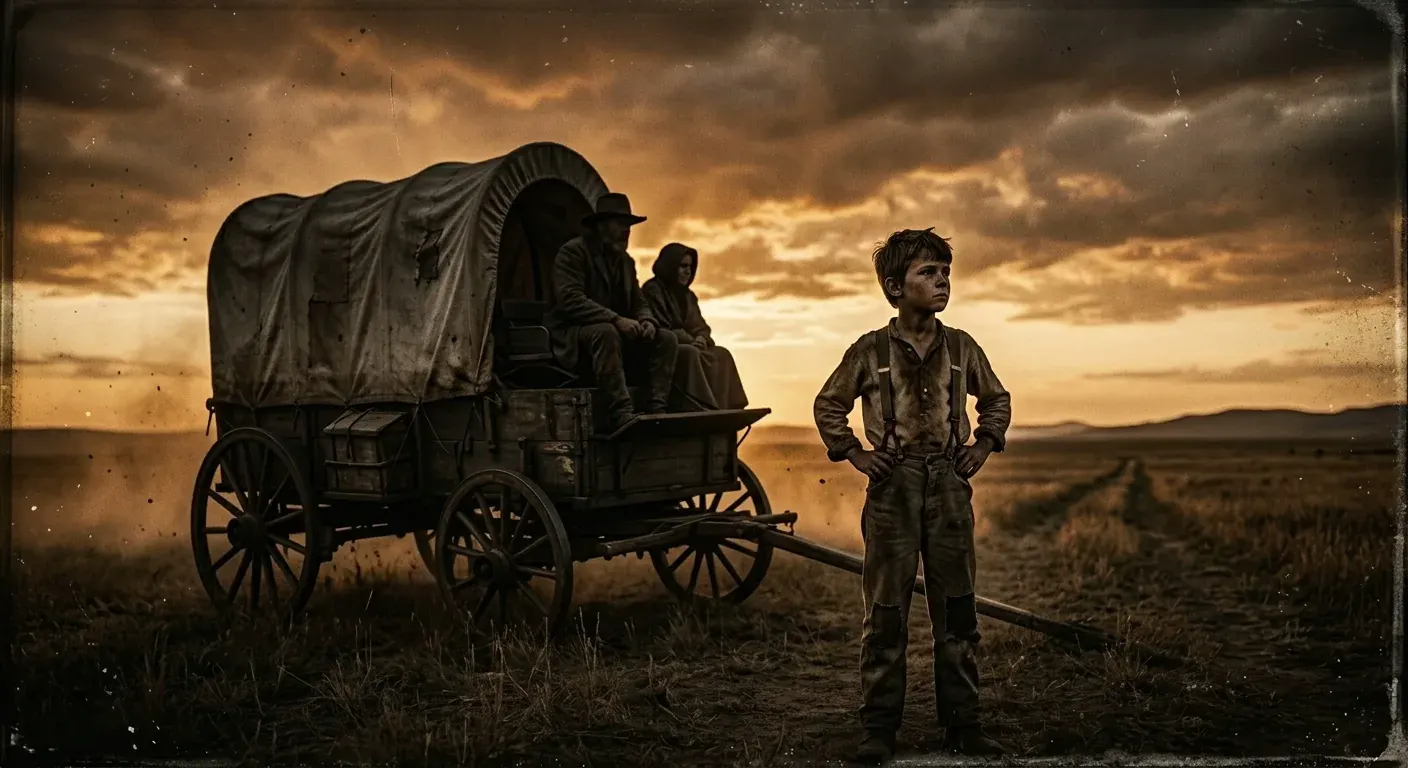
For the caregiver reading this at 10pm
The trail is long.We walk it with you.
The kids are finally in bed. You're replaying today's meltdown, wondering what you're missing. You chose this hard, brave work, and some nights, it feels like you're pulling the wagon by yourself.
You're not. And there's a map for this trail.
The Reality
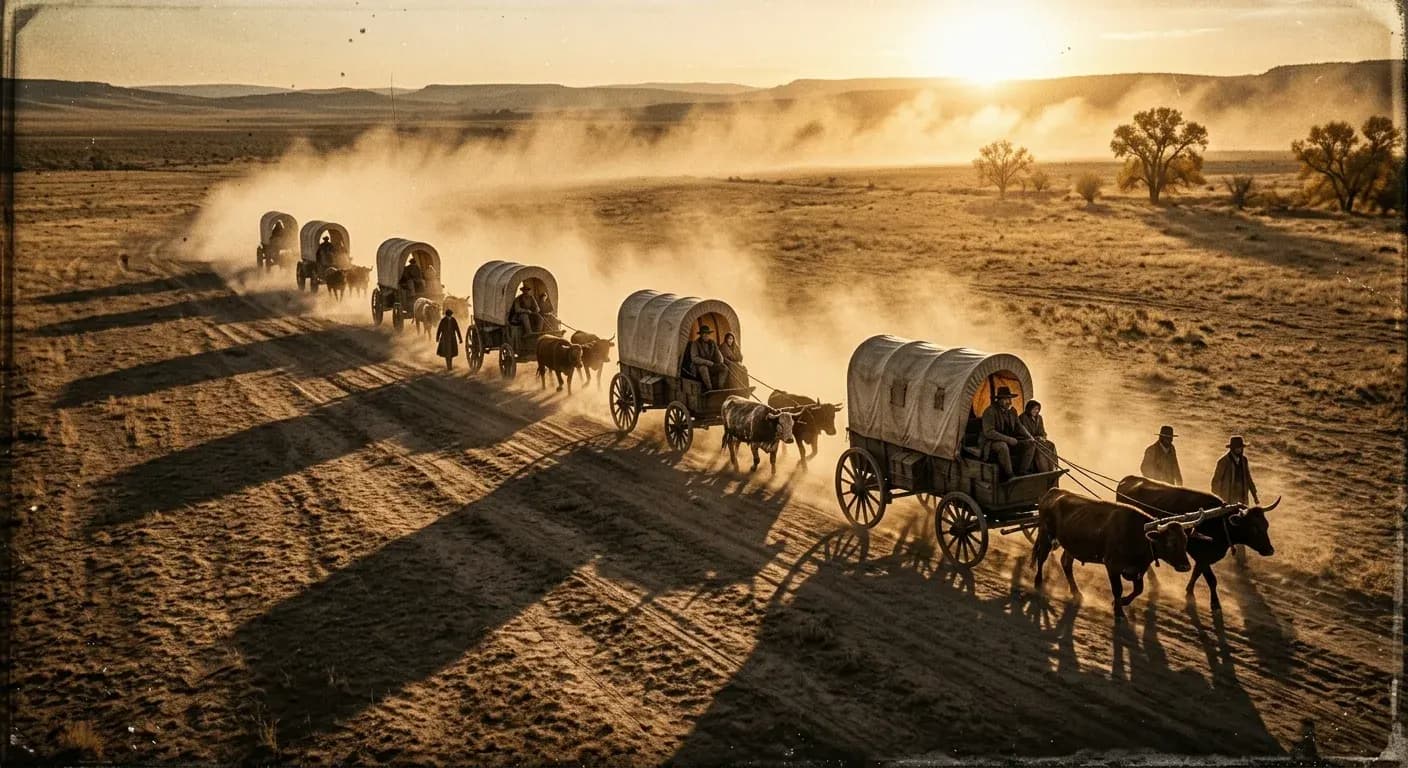
Behind every number is a child in a wagon with wobbly wheels, heavy cargo, and a long trail ahead.They need someone who knows the map.
You're not alone in this
You know this feeling
You're not failing. This work is genuinely, deeply hard. Here's what we hear from caregivers every day.
The Framework
One wagon. Five parts. A whole journey.
Like a covered wagon heading west, every child on the healing journey needs each of these pieces working together.
 W
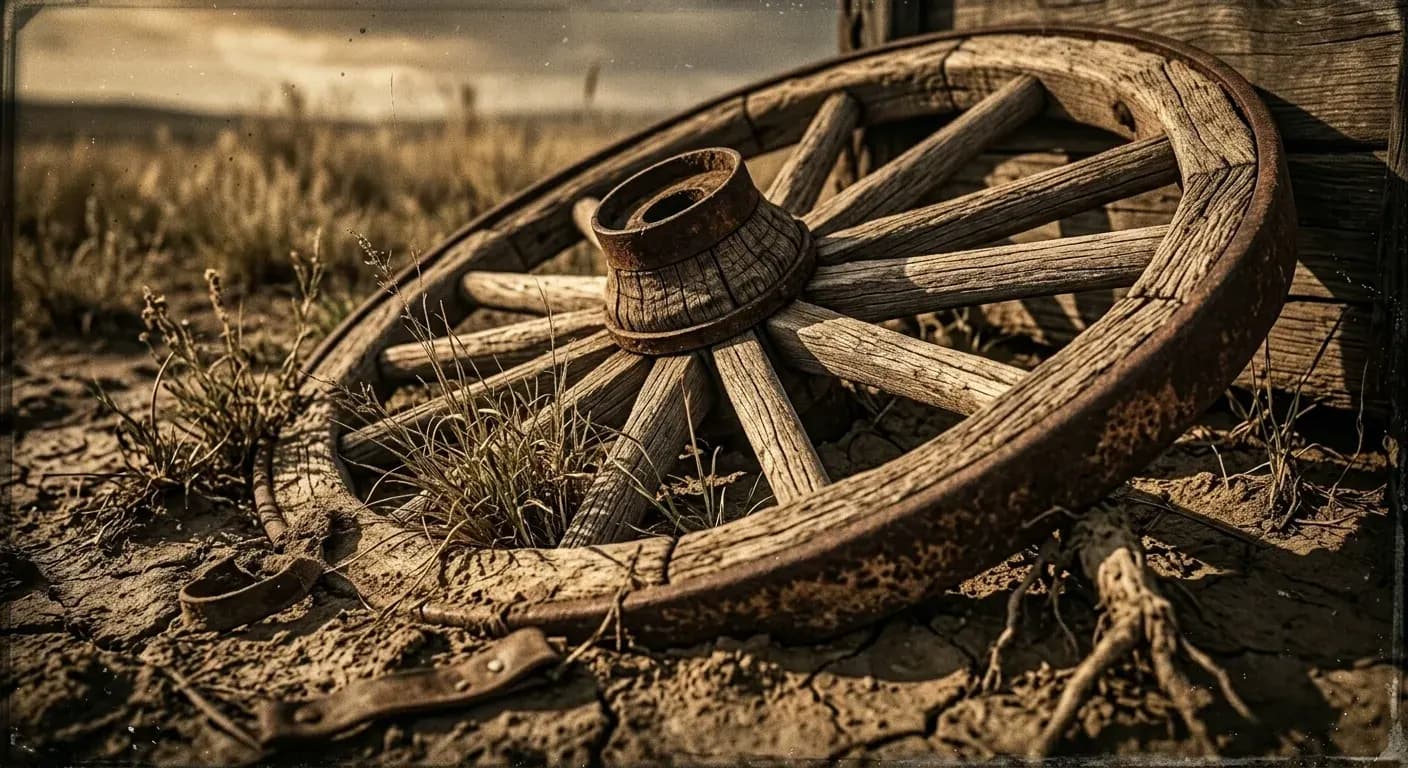
WWheels of Well-being
Safety, Stability, Love & Acceptance, Identity & Value. The four foundations. When one wheel is wobbly, the whole wagon feels it.
 A
AAdvocacy
You're the oxen. You pull this wagon every day. But oxen need rest, support, and a yoke that shares the weight.
 G
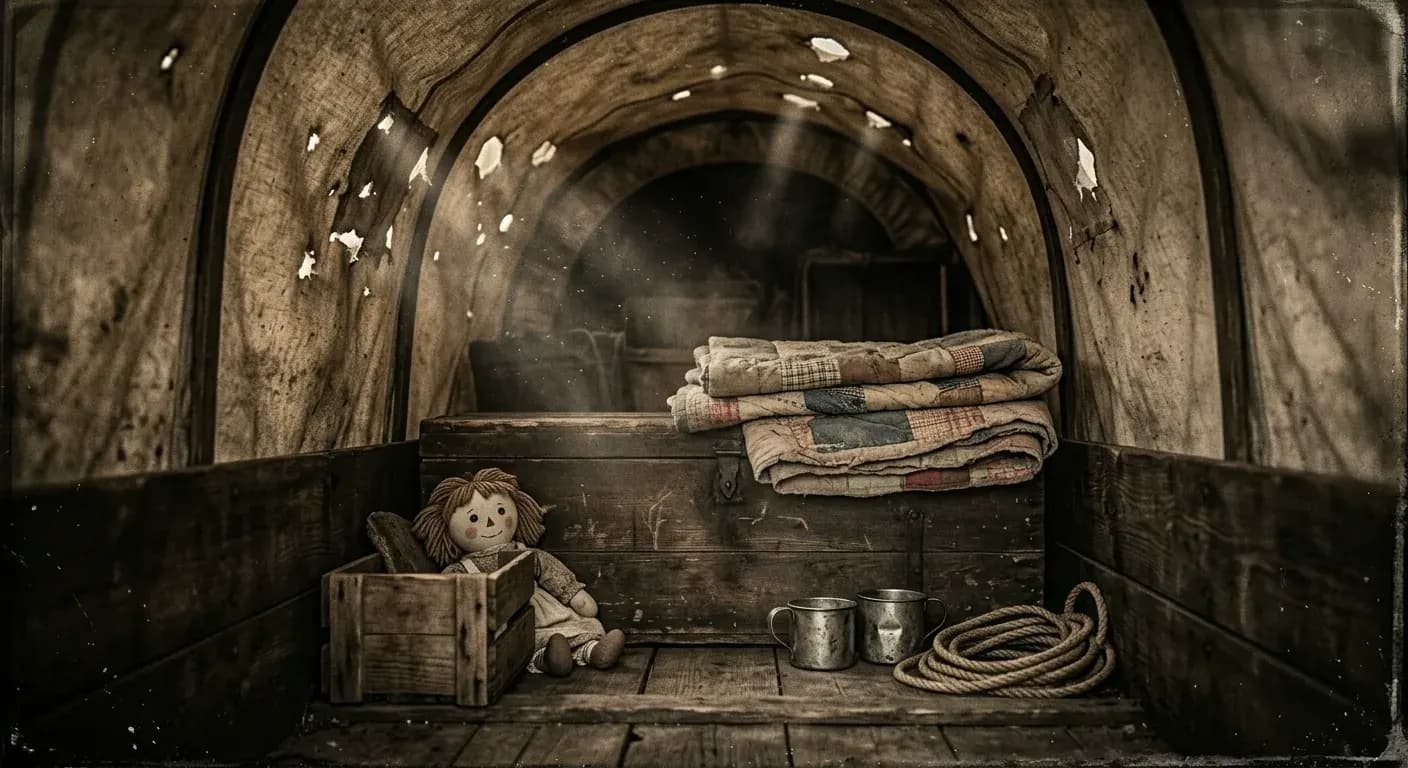
GGrounded Experiences
The child's memories, defenses, and coping tools: the heavy cargo of trauma. Some protects them. Some weighs them down.
 O
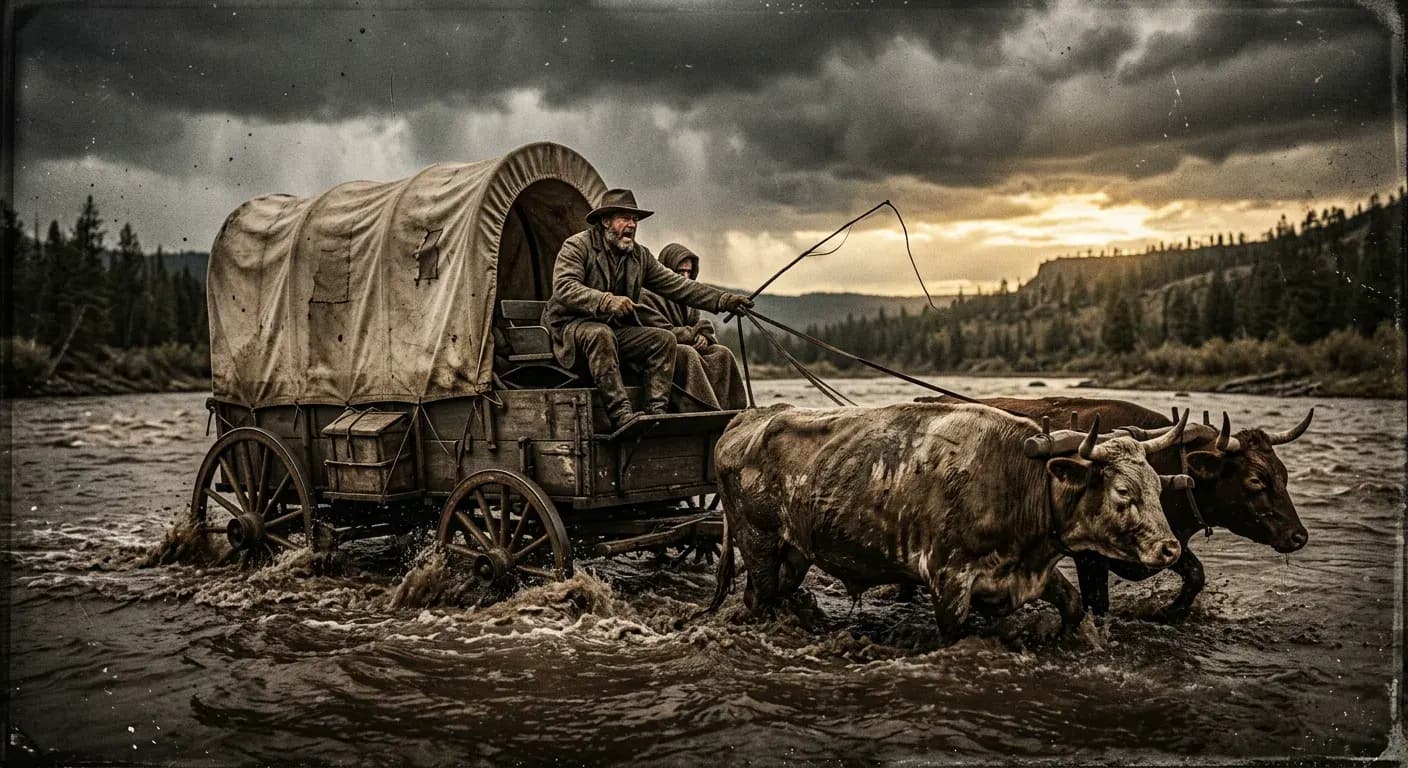
OOutside Obstacles
River crossings, rough terrain, hostile encounters. The stuff you can't always control but need to navigate.
 N
NNurturing Network
No wagon crosses alone. Family, friends, teachers, therapists, coaches, community. The other wagons traveling alongside yours. The larger the wagon train, the safer the journey.
How It Works
Three ways the platform walks with you
Not another textbook. Not another webinar. A companion for the trail.
Learn
Know which spoke to reach for
- •Bite-sized modules organized by wheel
- •Each one ends with something to try tonight
- •Quizzes and scenarios from real situations
- •Built for the 10pm caregiver, not the classroom
Apply
See the wagon, not just the behavior
- •Interactive dashboard for each child
- •Assess wheels with guided spoke ratings
- •Watch colors change as healing happens
- •Trail map showing the journey over time
Read
Articles matched to where you are on the trail
- •A growing library organized by wheel and stage
- •Short reads for the caregiver at 10pm
- •AI-guided triage when you need it: Where do I go from here?
- •Crisis guidance woven in, never cold or clinical
Who This Is For
Anyone walking alongside a child on a hard trail
Foster and adoptive parents. Kinship caregivers and extended family. Teachers, caseworkers, therapists, and friends. If you are part of a child's wagon train, this is for you. One shared language. One map. No special credentials required.
A shared vocabulary
The four wheels, the hubs, the spokes. One way to describe what Tuesday night looked like.
Something to try tonight
Every module ends with one small action. You do not need an hour. You need a next step.
A map, not a checklist
Healing is not a straight line. The trail metaphor holds room for plateaus, setbacks, and quiet wins.
Written for 10pm
Plain words. No clinical jargon. Short enough to read while the kids are finally asleep.

Free preview
See what a module looks like
Each module is built for the 10pm caregiver, not the classroom. Short, practical, and ending with something you can try tonight.
Calming Strategies
Learn simple techniques for helping your child regulate big emotions. When the trail gets rough, having reliable brakes matters.
Try tonight: Try the '5-4-3-2-1 grounding' exercise together before bedtime.
Consistent Routines
Predictability is safety. Learn how daily routines become the child's map of what comes next.
Try tonight: Post tomorrow's schedule where your child can see it before bed tonight.
Voices from the Trail
From the trail
Real words from caregivers and professionals walking this journey.
For the first time, everyone on our care team was talking about the same child in the same language. Someone said 'the Safety wheel looks wobbly' and I knew exactly what they meant.
Rachel M.
Foster mother of 3
I used to come home carrying so much in my head with no way to organize it. The WAGON framework gave me a filing system for my brain.
David K.
Kinship caregiver
The 'try tonight' prompts changed everything. I stopped reading about trauma and started doing something about it. My daughter noticed the difference in a week.
Sarah L.
Adoptive parent
Common Questions
Questions from the trail
You don't need a degree, a diagnosis, or a perfect plan. You just need a next step.
01Is this another clinical program I need a degree for?
+
No. The Wagon Method is built for the person in the kitchen at 10pm, not the person in the lecture hall. We use plain language, real scenarios, and the wagon metaphor, not clinical jargon. Therapists love it too, but you don't need a background in psychology to use it.
02I don't have time for a course. I barely have time to sleep.
+
We know. Every module is 10-15 minutes and ends with one thing to try tonight. You can do a module while the kids are in the bath. And if tonight all you can do is read one spoke description, that counts.
03My child's situation is really complex. Can a framework actually help?
+
The WAGON framework doesn't simplify your child. It helps you see the complexity clearly. Four wheels, twelve hubs, forty-eight spokes. When you can name which spoke needs attention, the overwhelming becomes actionable.
04How is this different from TBRI or Trust-Based approaches?
+
It's complementary, not competing. The Wagon Method sits alongside clinical models like TBRI, providing a visual vocabulary that connects the therapy room to the kitchen table. Many therapists use it as a bridge with the families they serve.
05Is my child's information safe?
+
Absolutely. Assessment data is encrypted, never shared without your explicit consent, and never sent to AI systems with identifying information. You own your data and can export or delete it at any time.