For Network Members
You are one of the steady ones. Even if nobody says it out loud.
The aunt who shows up every Sunday. The neighbor who always has the porch light on. The coach who notices. The friend of the family who listens. The method gives you shared language so your presence lands where it is needed.
Stretch 2 · Settling InYou know this feeling
You love this child, and you are not sure how much to do
You watch the caregivers in this child's life carry something heavy. You want to help, and you do not want to step on toes. You bring casseroles. You take the older kids for an afternoon. You sit in a quiet car with your sister after a hard day and wish you knew what to say.
You love this child from a slightly farther circle, and you feel the strange loneliness of that distance. You are not the one on the overnight shift, but you are in the story. You matter. And you do not always know how to matter in a way that lands.
What you need is not a course that turns you into somebody else. You need language that matches the caregivers around you, so when you show up, you show up on the same trail.
How the method fits
A framework for the people walking alongside
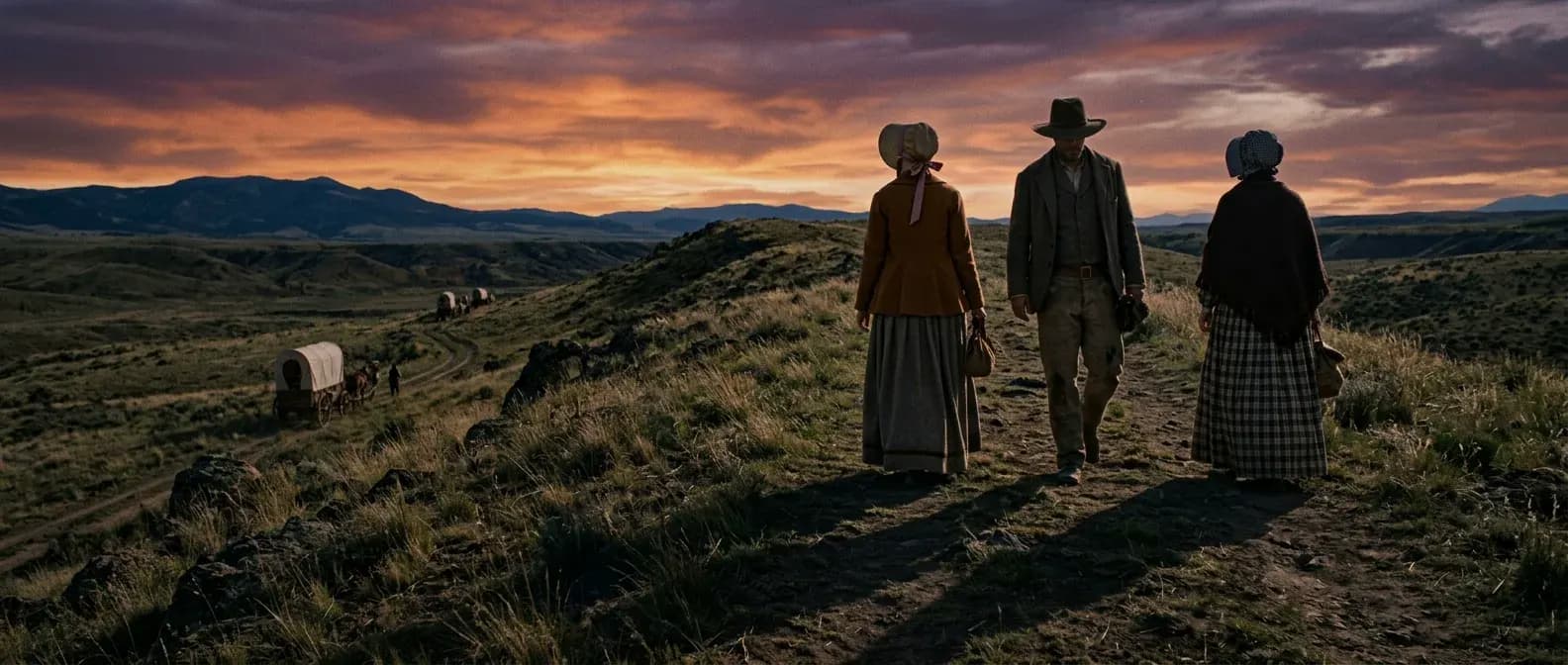
The Wagon Method has a whole section called the Nurturing Network. It names the aunts, coaches, friends, neighbors, and community members who hold up a child without being the primary caregiver. You are not a side character. You are part of the wagon train.
You have a role
Named, not supporting cast
Family, friends, teachers, coaches, mentors, community members. Each one gets a place in the Nurturing Network because each one matters on the trail of a healing child.
Language to match
Speak their vocabulary
When the caregivers around you are learning wheels and spokes, you can learn them too. Your offers of help start fitting the shape of the trail instead of the shape of your own instincts.
Steady, not loud
Presence over performance
The method honors the slow, steady kinds of love. You do not have to fix anything. You have to keep the porch light on, keep showing up, and know the words for what everyone is walking through.
Your trail, three steps in
Here is what walking alongside looks like
What starts
You start knowing what you are looking at
In the first few weeks, you read the landscape. You learn the four wheels. You begin to recognize which wheel is being tested when your nephew melts down at the family dinner, or when your best friend's foster daughter clings to the door on the way into church. You stop feeling confused and start feeling oriented.
What deepens
Your support starts landing differently
Once you speak the vocabulary, your offers fit better. You bring the meal on a night you know is a hard Safety day. You take the big kids out so the caregiver can do Quality Time with the youngest. You ask the right gentle question instead of the wrong fixing one.
What changes over time
You become a trusted part of the wagon train
Months later, the caregiver in your life notices that you are one of the few people they do not have to translate to. You have become a home, in a small way. The child notices too. You are no longer just a friendly face. You are part of the network that holds them up.
From network members on the trail
Words from people walking alongside
“My sister is raising her grandchildren. I read the framework because I wanted to be a better aunt. I became one.”
Aunt to three
“I coach youth baseball. I have three kids on my team I know are in foster care. I started using Safety wheel language in how I run practice.”
Youth coach
“My best friend is fostering. I used to say the wrong things. Now I know when to bring soup and when to just sit there.”
Family friend and neighbor
“I am a faith leader. The Nurturing Network chapter gave me language for something I had been trying to describe for years.”
Community faith leader
Questions from people on the outer ring
Before you sign up
I am not the primary caregiver. Is this really for me?
Yes. Children heal in networks, not just in homes. An aunt, a neighbor, a coach, or a best friend of the family who understands the same framework can be a quiet, steady presence that the child feels even when nobody says it out loud.
How do I help without overstepping?
By following the caregiver's lead and speaking their vocabulary. The method gives you the same language they are reading, so when you offer support it fits their trail. You are not the driver of the wagon. You are one of the reliable walkers beside it.
What if the caregivers in my life are not ready to talk about this?
That is okay. You can learn quietly. Knowing the framework means the next time a hard conversation happens, you have words that are warm instead of fixing. Sometimes the best support is a friend who does not rush to solve.
Can I use this as a coach, mentor, or faith leader?
Yes. Coaches, mentors, youth leaders, and faith community members all show up in the Nurturing Network part of the framework. The language translates. The specific moves you can make depend on your setting, and the method gives you a place to start.
How deep do I need to go?
As deep as you want. Some network members read the landscape and stop. Some stay and walk further. Both are valid. The trail is generous, and the point is not mastery. It is presence.
Should I share what I learn with the caregivers?
With care. Unsolicited advice rarely lands. What often helps more is saying, I have been reading the Wagon Method and it is helping me understand what you are walking. That invites. It does not push.