Some children with trauma in their story will not try anything new. Others will try everything, including the things that are clearly dangerous. Safe Exploration is the spoke that teaches the middle ground. It is the work of helping a child learn the world with curiosity instead of fear, and with caution instead of recklessness.
What this strategy is
Safe Exploration is one of four spokes in the Personal and Environmental Safety hub. It is about guiding a child through the normal terrain of childhood, climbing, swimming, crossing streets, meeting new people, while naming hazards in a way that feels like care rather than warning.
The child who has been taught the world is scary needs experiences that contradict that belief without overwhelming them. The child who has not yet learned that some things are actually dangerous needs practice recognizing real risk. These two children are sometimes the same child in different weeks. The work is the same either way. Walk the ground with them and narrate what you see.
Why it matters on the trail
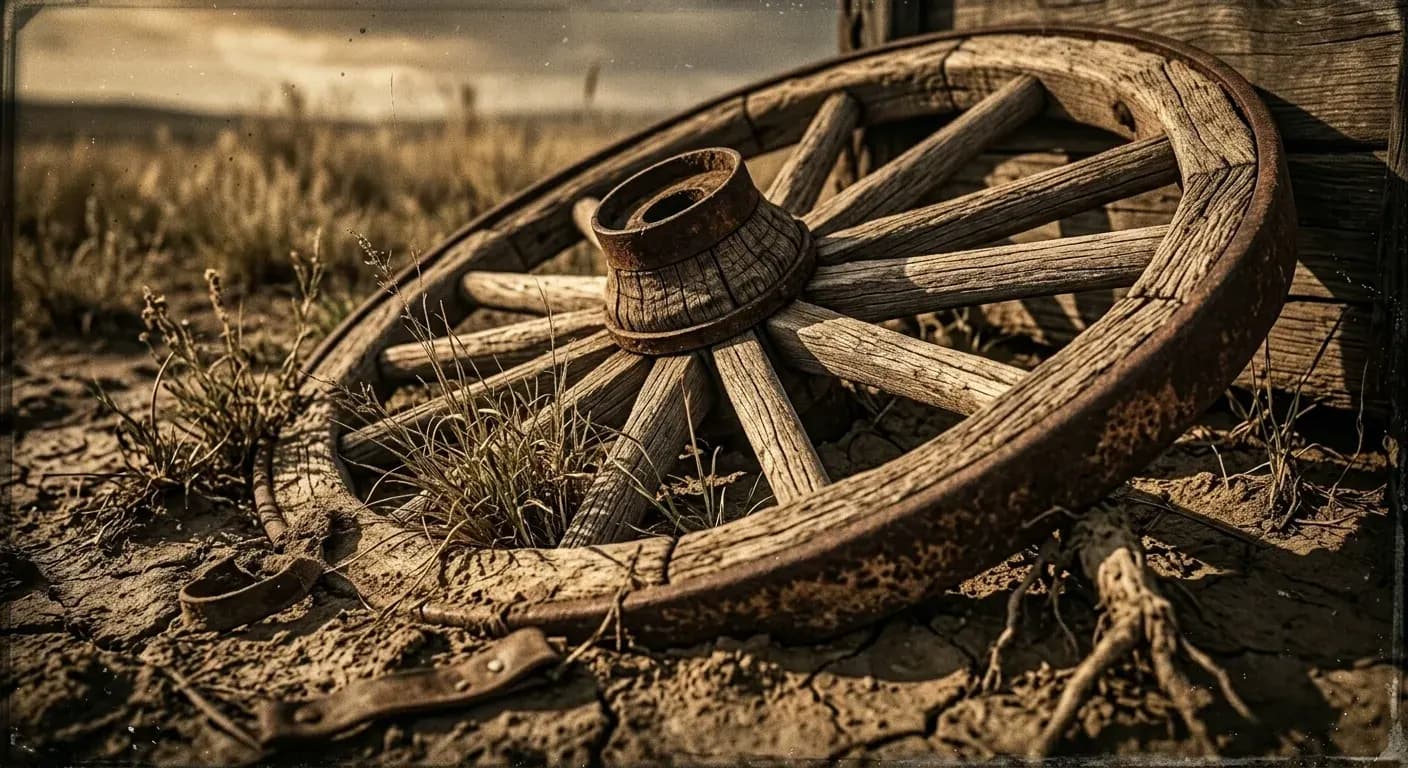
Exploration is how the Safety wheel builds its positive memories. Every time a child tries something and comes home fine, the wheel gains a little more trust in the ground. At the First Climb stage, a single calm visit to a new playground can be worth more than any lesson. You are not trying to check a box. You are trying to give the wheel something to spin on.
What to try tonight
- Go somewhere small and new together. A different grocery store. A park two streets over.
- Before you leave, name one thing you will do together. "We are going to look for the blue slide."
- Walk at the child's pace. If they want to stop and look at a leaf, the leaf is the activity now.
- Narrate hazards calmly. "That curb is high, let me take your hand for that part."
- Give the child a small choice during the outing. "Swing or slide first." Let them pick.
- On the way home, name one thing that went well. Say it out loud.
When it is working
You will know this spoke is taking hold when the child starts pointing at things they want to try, instead of only things they want to avoid. They will stop flinching at unfamiliar sounds as fast. They will ask you what something is, rather than freezing at the sight of it. A child who can ask about the world is a child who is standing on ground they believe will hold.
Some wins are very small. A child who used to refuse the park might agree to sit on a bench near the park. That is a win. You can build from a bench.
When to get more support
If your child consistently seeks out real danger, walking into traffic, approaching strangers, climbing things they cannot hold, this is more than a spoke can carry alone. Bring it to your child's care team. The same is true if the child becomes paralyzed by ordinary outings and cannot recover over a period of weeks. Those are both signals that the wheel needs help.
Where this takes you next
The next natural spoke is Household Rules, which takes the lessons of safe exploration and roots them in the home. You can also read the Safety wheel overview to see how the Emotional Well-being hub picks up when exploration stirs up big feelings.
If a child is in immediate danger, call 988 or 911. If you suspect abuse, call Childhelp at 1-800-422-4453. These strategies are starting points, not substitutes for your child's care team.
Other spokes in this hub
Emergency Skills That Do Not Scare a Child
Teaching a child what to do in a real emergency without turning the lesson itself into a new fear.
Household Rules a Child Can Memorize and Trust
Short, fair, explained rules that help a child feel held rather than controlled.
Physical Boundaries a Child Can Actually Use
Teaching personal space and body autonomy in a way that feels like care, not correction.