The pause is the work
Half a beat before you speak is not weakness. It is how a frightened body gets a chance to come down.

The familiar rush
A cup hits the floor. A sibling yells. Your name is said in a tone that means the next ten seconds will decide the weather in the house.
Most of us were trained to fill that gap. Say the rule. Name the attitude. Move the body. The culture around caregiving loves speed. Fast looks like competence, and slow looks like you are letting them get away with it.
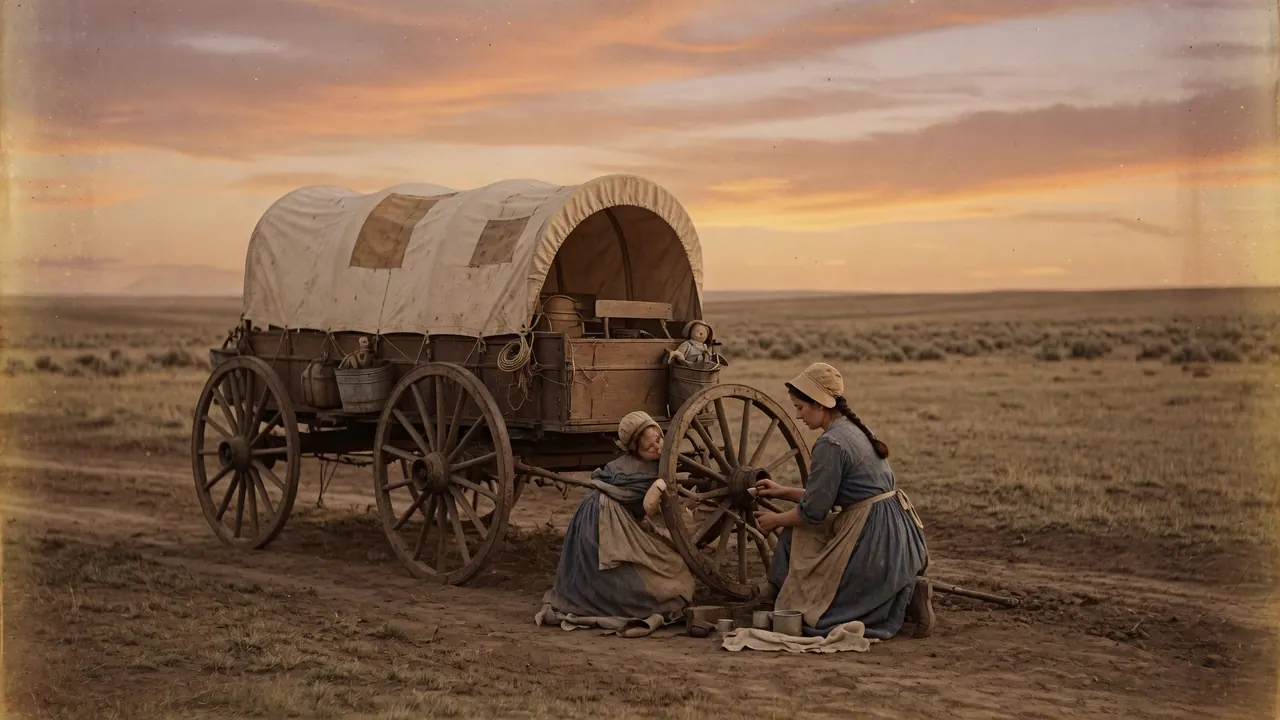
I understand the rush. When you are pulling a wagon with a child whose nervous system still lives in yesterday, every loud minute can feel like a cliff. You want to be the adult who does not freeze. You want the other adult in the room, or the teacher later, to see that you have this.
The rush is not cruelty. It is a body doing what it was taught: close the gap before the gap becomes a fire.
Where the rush fails
The trouble is that a frightened body cannot take in a lecture.
If your child's system has already gone up, your first sentence lands as weather, not as wisdom. Volume, even calm volume, can read as threat. Speed can read as chase. The child is not choosing to ignore you. The ears are still online, and the meaning-making part of the brain has stepped out of the wagon for a minute.
I have watched good caregivers get faster and clearer, and then feel crazy because the child got louder. They were not failing at firmness. They were talking to a body that had already left the conversation.
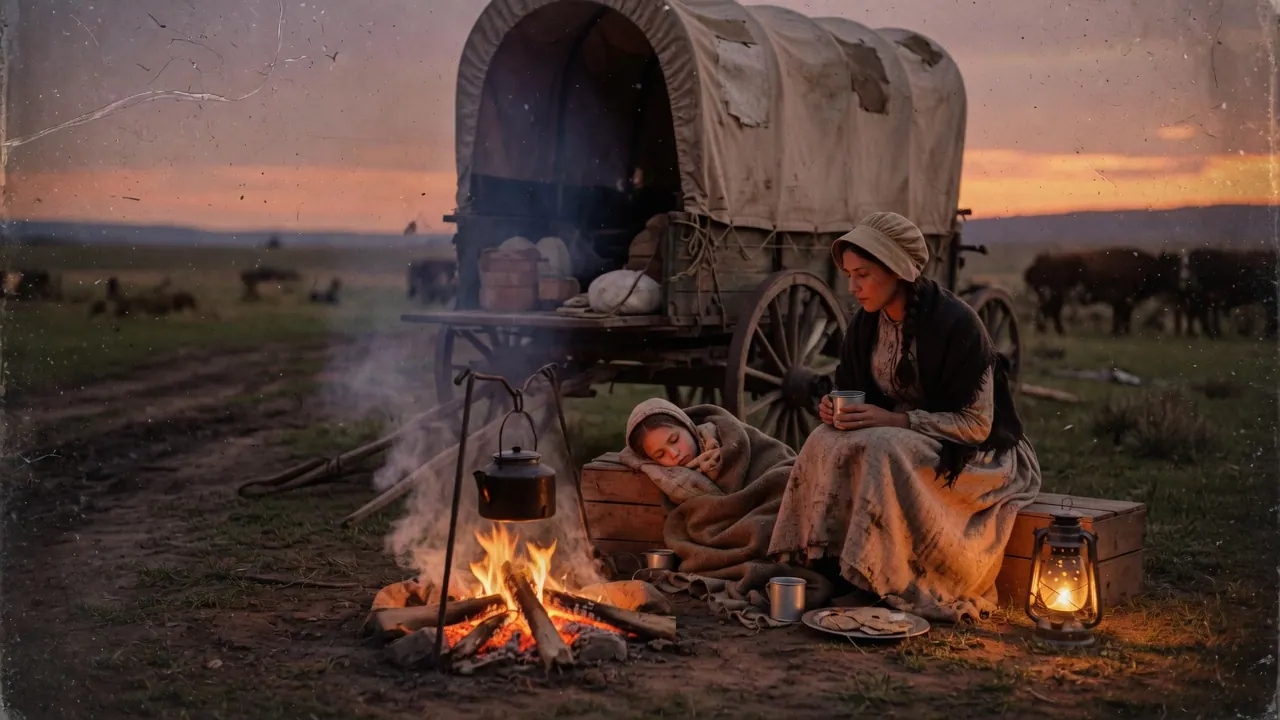
The rush also trains you. You start to live one half-second ahead of the blow-up, and your own shoulders never come down. The oxen need rest too. A house that never pauses becomes a trail with no camps.
The lens
Call it the pause.
The pause is not a strategy with a worksheet. It is half a beat. A breath you take on purpose before the first sentence. Hands unclenching. Eyes on the child instead of on the mess.
On the wagon this lives on the Safety wheel first: felt safety, a body that can come down, a room that does not immediately become a courtroom. It touches Love and Acceptance too, because a child who is met instead of sentenced can stay in relationship while they are still messy.
This lens usually shows up on the First Climb, when the honeymoon has ended and the house has weather. Caregivers often think they have lost their edge. They have not. They have arrived at the stretch where speed stops working.
I think of a parent who used to narrate every spill like a trial. One afternoon they put a hand on the counter and counted two breaths before they spoke. The child still cried. The child did not bolt. That is not a miracle. That is a notch. On a long trail, notches are how wheels start to turn.
The pause does not mean you let a hitting body stay in range of a sibling. Safety first is still Safety first. You can move a body and still wait half a beat before the story you tell about why the hit arrived.
You can still say the wall is not for kicking. The difference is that you say it after your own nervous system has come back into the wagon.
Where this lens leads
Tonight you might try this: when the weather starts, put your tongue on the roof of your mouth for one breath. That small physical pause is often enough to keep you from joining the fire.
You might narrate the hour to yourself differently. Not "I have to stop this now." Something closer to "the body is up. I can move us to safety, and I do not have to win the sentence yet."
You might look at the Safety wheel after the child is asleep and ask which spoke was wobbly. A transition with no warning. A room that was too loud. A hunger nobody named. Those questions are less glamorous than a consequence chart. They are closer to the actual wagon.
What this lens is not
This lens is not a ban on limits, and it is not a claim that every behavior is fine. It is not a way to feel holy while the kitchen is wrecked. You are a person. You will still have hours when you hate the noise.
It is also not a replacement for your child's care team when something is dangerous, sexual, or tied to a wish to die. Those hours have their own map. The pause does not mean you delay a call to 988.
These strategies are starting points, not substitutes for your child's care team.
Did this land well for you?
No comment section here. If you need to talk through what you read, the community Q and A is the place.