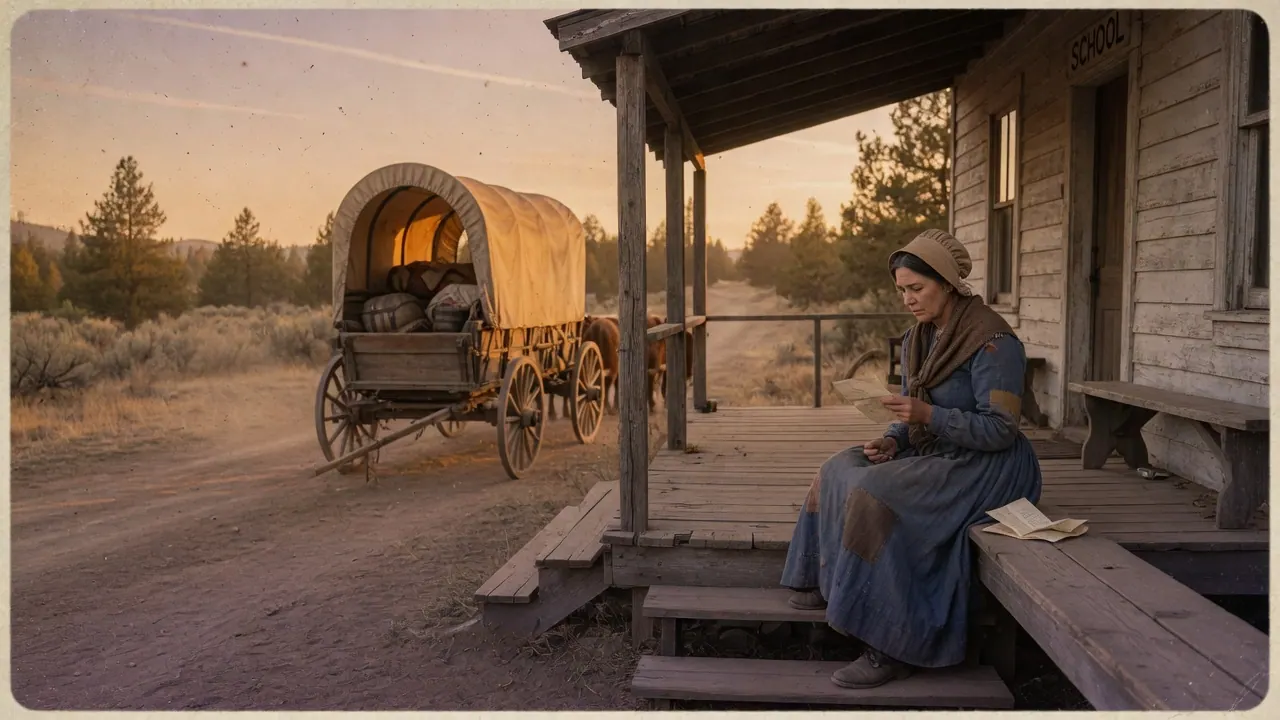
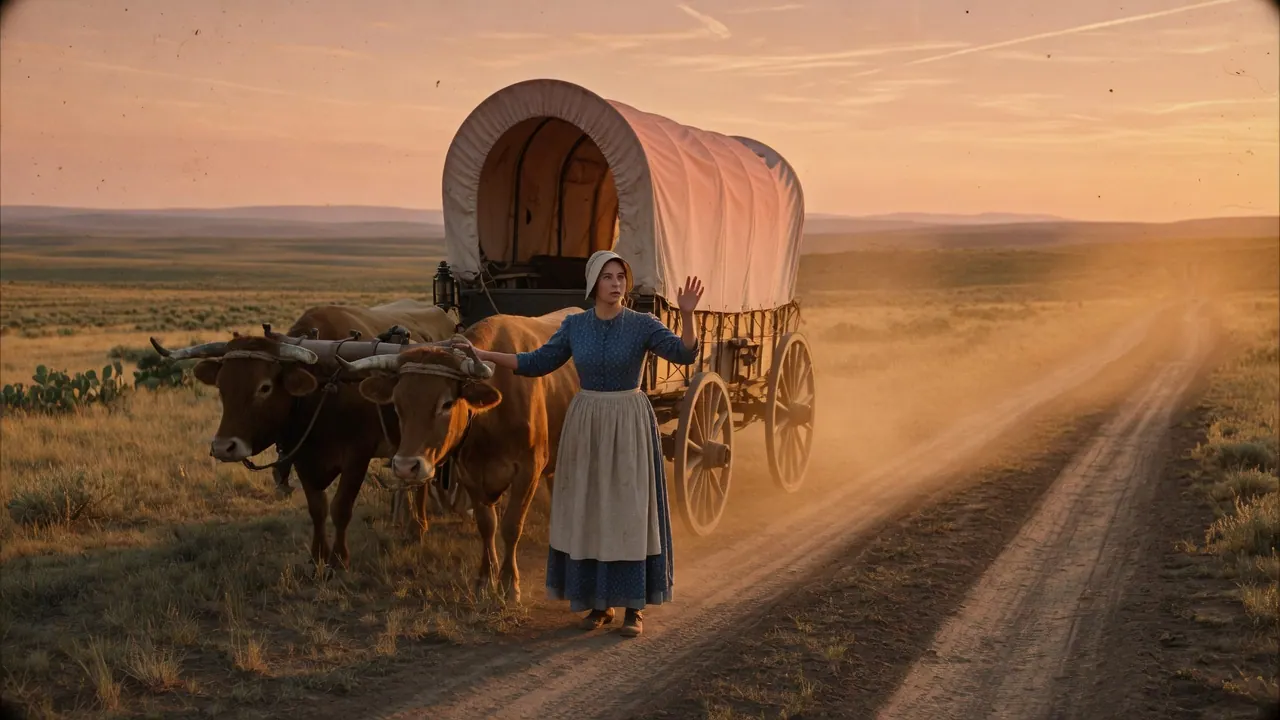
You do not have to drive this wagon perfectly
A wobbly wheel still turns. The trail asks for a human at the reins, not a flawless one.
The fantasy of the perfect driver
Somewhere we picked up a picture of the adult who never raises a voice, never misses a cue, never goes to the grocery store already empty.
That picture is a magazine. It is not a trail.
Caregivers who chose this hard, brave work often hold themselves to it anyway. If the child has already lived through too much, the logic goes, then you must be flawless so you do not add more. The logic is loving. It is also a load no ox can pull.
I have sat with people who could list every sharp sentence they said this week and not one moment they stayed. The mind keeps a better file for the miss.
Where perfection fails
A child who is healing from trauma does not need a statue. They need a person who comes back.
Perfection is brittle. The first cracked hour becomes a story about being the wrong driver, and then shame drives the next hour. Shame is a poor reins-hand. It yanks. It does not watch the ruts.
The child is also watching. They learn more from how you repair than from how you never err. A perfect adult is an adult they cannot join. A human adult who says "I got loud, and you are still safe with me" is an adult they can walk beside.
On the wagon, Love and Acceptance is not only for the child. It is the spoke that lets the driver be a body too. The oxen need rest. So do you.
The lens
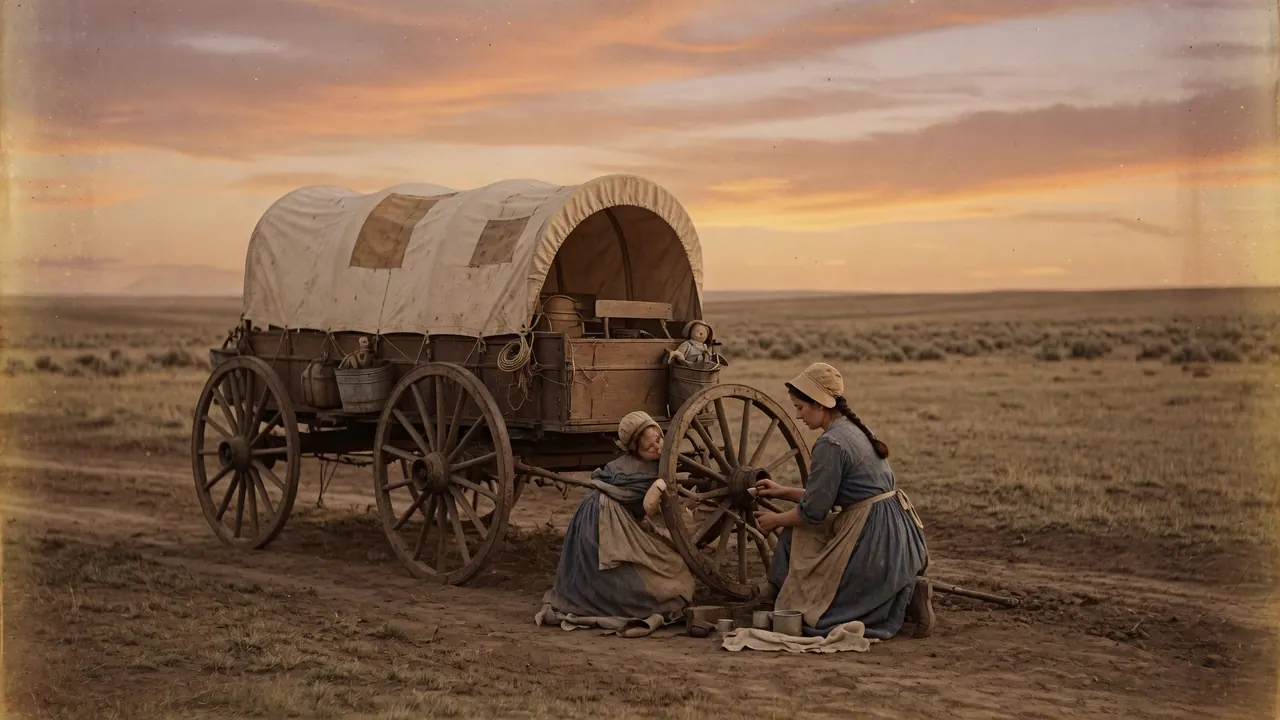
Call it a wobbly wheel that still turns.
You will miss a cue. You will speak too fast. You will forget the snack. The wheel can still go west if you kneel down, look at the spoke, and keep moving.
This lens often shows up while you are Settling In, when the newness is gone and the daily work is visible. You can see every rut. You can also see, if you look, that the wagon is still on the road.
I think of a caregiver who apologized to a child for slamming a cupboard, then sat on the floor until both bodies came down. Nothing about that hour was pretty. The child fell asleep holding a sleeve. That is not a technique. That is a person who stayed.
You do not have to like your miss. You do have to keep it from becoming the whole map.
Where this lens leads
You might pick one repair sentence and keep it simple. "I got sharp. You are safe. We can try that again." You do not need a speech.
You might notice one thing you did stay for this week and write it down. The file in your head will not store it unless you make a camp for it.
You might look at the wheels and ask which spoke you can turn tomorrow, not which personality you need to become. Predictability. A calmer transition. A meal. Those are human-sized.
What this lens is not
This lens is not a pass on harm. If you are dangerous, get help. This is not a way to skip the work.
It is not a claim that trying does not matter. Trying is the trail. The claim is that trying as a human is the only kind of trying that actually exists.
It is not a replacement for your child's care team, or for yours. If you are sliding into a place where you cannot keep anyone safe, call the people who know you. 988 is there if the night gets that dark.
These strategies are starting points, not substitutes for your child's care team.
Did this land well for you?
No comment section here. If you need to talk through what you read, the community Q and A is the place.