When love alone is not enough
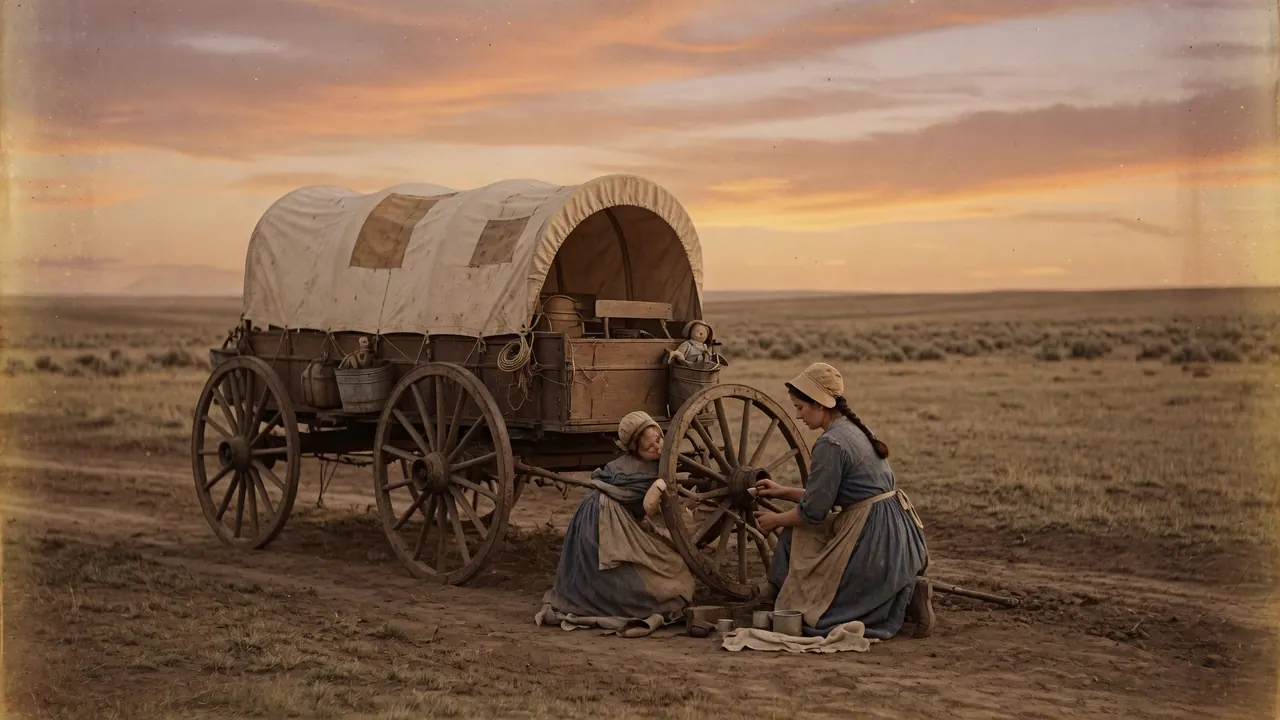
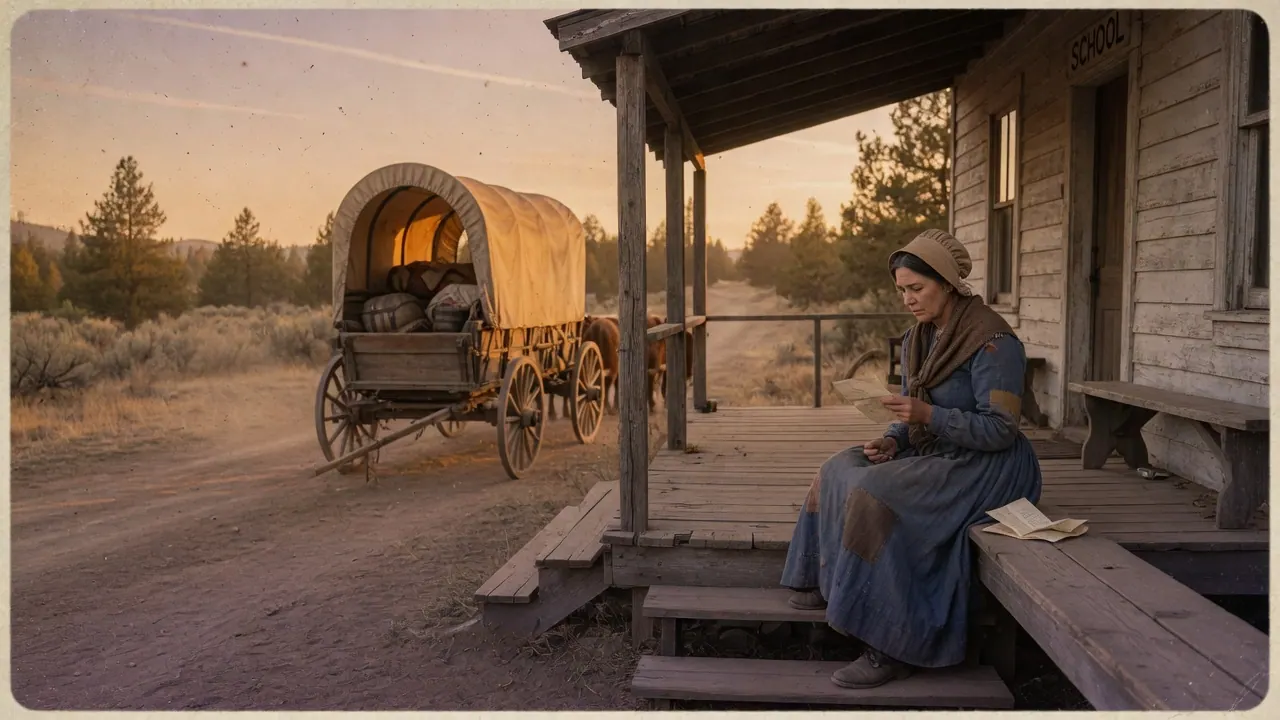
Love is a wheel, not a cure for the whole wagon. You can love them fully and still need the rest of the trail.
The familiar frame
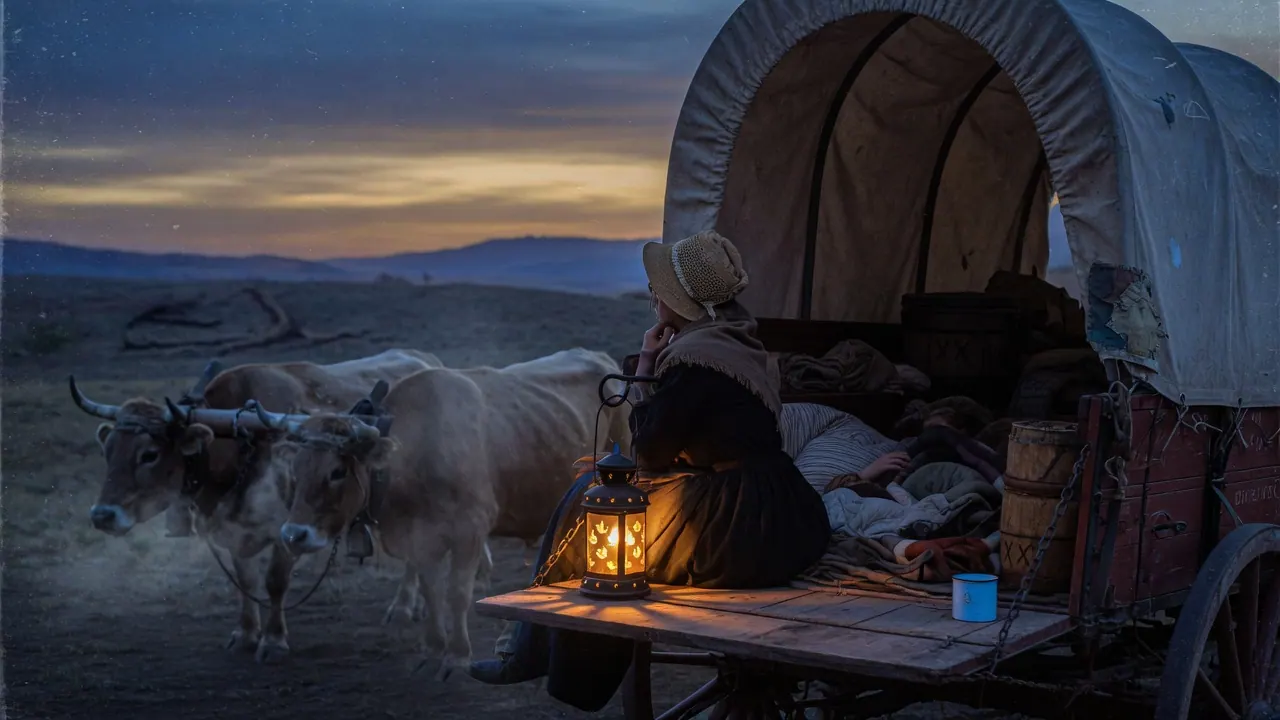
Love is supposed to be the medicine. You have heard it in waiting rooms and from well-meaning relatives and in your own head at 1am. If you love this child hard enough, the hard parts will soften, and if you keep showing up, they will eventually believe you. If the love is real, the wagon will roll.
That frame is not foolish, and children do need to be loved in a way they can feel. A house with skills and no warmth is a cold machine. Caregivers who came to this work with a full chest are not wrong to trust that chest. Love is one of the four wheels, and love and Acceptance is not a decoration. It is how a child learns they can exist in a room without earning it every minute.
The familiar frame also names something sacred that systems often forget, and a child is not a case. A child is a person who needs to be wanted, and wanting them is not naive. It is part of the trail.
I have sat with people who loved a child with a kind of ferocity that rearranged their life. Jobs, and sleep. Friendships, and the love was not a performance. You could feel it in the way they said the child's name. And the child was still struggling, and the familiar frame, in that room, becomes a quiet indictment. If love is the medicine and the child is still in pain, then maybe the love was not enough. Maybe you were not enough.
Where it falls short
The shortfall is the word "alone."
Love is a wheel, and it is not the whole wagon. A child can be deeply loved and still have a Safety wheel that wobbles every night. They can be wanted and still have a body that cannot sleep in a quiet room. They can be claimed in court and still not know who they are when someone asks.
When we make love the only medicine, we hide the rest of the work. We also hide the caregiver's grief, and the grief is not proof that the love failed. The grief is what happens when the story you were handed meets a longer trail than the story allowed.
People will say, love is all you need, because they are afraid that if love is not enough then the situation is hopeless. I understand the fear, and hopelessness is a cliff. The truth is less cinematic, and love is necessary and it is not sufficient. Both, and you can hold both without falling off the cliff.
The frame also quietly blames the child. If love should have been enough, then the child's ongoing struggle starts to look like refusal. "I have given them everything." That sentence is often true in the adult's world and false in the child's. Everything you have given may not yet be readable as safety, and the child is not rejecting the gift. They cannot cash it yet.
I have heard clinicians lean too far the other way and sound as if love were sentimental nonsense. That is another miss, and skills without love become control. Love without skills becomes a beautiful stall. The wagon needs both, and it needs Stability, and it needs Identity, and it needs a network that is not just you.
On the plateau this grief gets loud, and the first climb had adrenaline. The plateau has repetition, and you love them. Tuesday looks like last Tuesday, and the familiar frame starts to feel like a verdict.
The lens
Call it love as a wheel, not as a cure.
Love and Acceptance is one of four, and it turns. It needs the others turning too, or the wagon lists. When a child is still struggling, the question is not "did I love them enough." The question is "which wheel is wobbling, and which spoke can I reach tonight."
This usually surfaces on the Plateau, after the fantasy of arrival has thinned. You thought love would be the pass in the mountains, and it was a wheel. The pass is still ahead, and that recognition hurts. The hurt does not mean you should love less, and it means you can stop asking love to do the job of the whole wagon.
In my own practice I have noticed that caregivers often feel disloyal when they admit this. As if naming the limit of love were a withdrawal of it, and I think the opposite is true. When you stop demanding that love finish the trail by itself, you can actually keep loving on the days the trail is ugly. The love gets to be love, and it does not have to be a program.
A child who cannot receive the love yet is not ungrateful, and receiving is a Safety-wheel skill as much as a Love-wheel one. You cannot take in warmth if your body is still waiting for the hit. You may need months of boring, repeated, small proofs, and meals. Returns after a door close, and the same goodnight sentence. That is not colder than a grand gesture, and it is how a nervous system learns a new climate.
Identity work belongs here too. A child can be loved and still not know how to be a person in this family. Life story, and name. Culture, and the people who came before. Love that skips identity can feel like being cherished as a role instead of as a self. The wheel called Identity and Value exists because love does not automatically install a self.
Stability is the unromantic sister, and sleep. Food that does not vanish, and a room that stays a room. I have watched love pour into a house that had no bedtime, no predictable mornings, no one in charge of the calendar. The love was real, and the wagon still shook. Filling the Stability spokes is not a betrayal of feeling, and it is how feeling gets a floor.
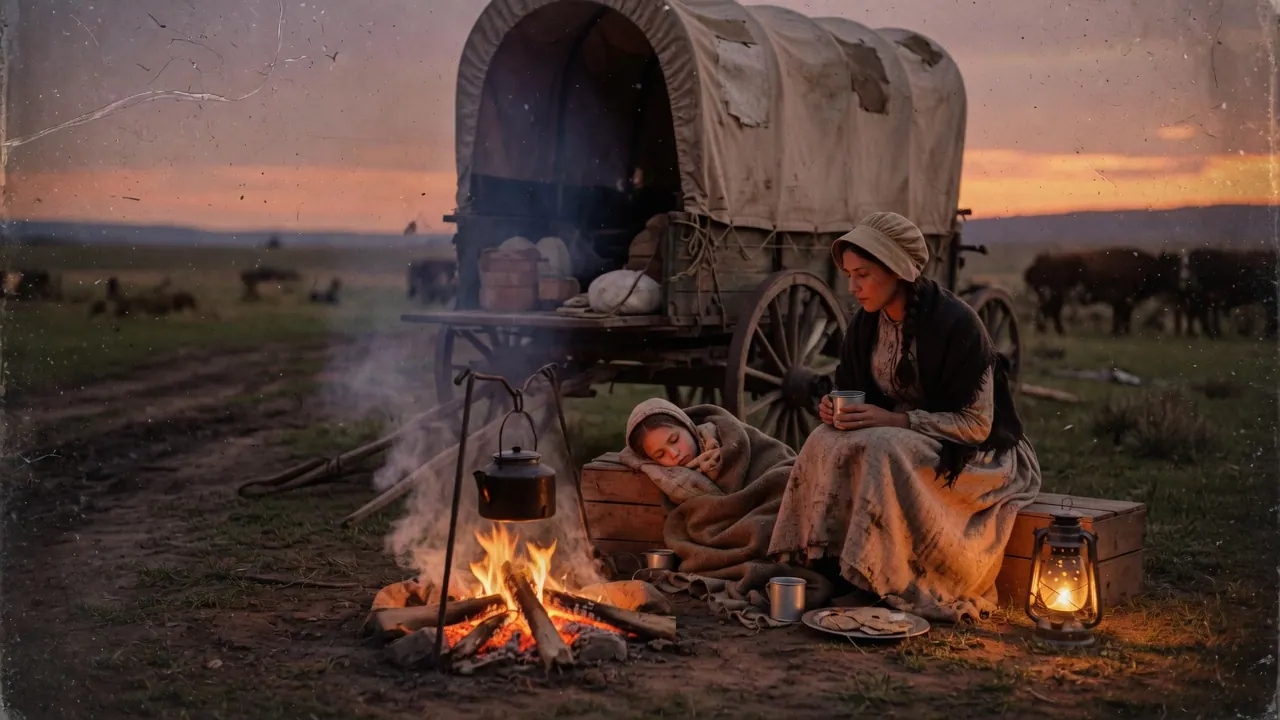
And the network, and the familiar frame often isolates the primary caregiver inside the love story. If love is the medicine, then other adults are extras, and the Wagon Method disagrees. Oxen are plural, and teachers, aunts, a coach, a clinician, a neighbor who waves every day. Love that has to come from only you will exhaust you, and an exhausted person is a wobbly wheel.
I think of a father who said, I love him more than I have loved anyone, and I am still failing. We took the word failing apart, and the child had started sleeping. School was less of a war, and the father had not noticed because he was measuring against a fantasy of ease. Love had not finished the trail, and love had been present while two other wheels started to turn. That is not failure, and that is a plateau.
I think of a kinship caregiver who kept trying to love the child out of missing the parent who could not be there. The love was huge, and the missing was also huge. Love could sit beside the missing, and it could not evict it. When we let the grief stay in the room, the child stopped having to choose.
This lens does not make the work smaller, and it makes the work more accurately sized. You can love this child and still call the clinician, and you can love this child and still ask for respite. You can love this child and still say, I need the Safety wheel checked, because love is not a substitute for felt safety.
On the trail, the plateau is where people either become honest or become bitter. Honesty sounds like, I love you, and this is still hard, and we are still going. Bitterness sounds like, I gave you everything, and the child cannot use the second sentence. They might, slowly, use the first.
Where this lens leads
You might let yourself grieve the parent you thought you would be, without treating that grief as a leak in the love. The imagined version had a smoother trail, and the real trail is the one with this particular child. Grieving the imagined one can make room for the real one.
You might look at the four wheels after a tender week and notice which one you have been asking love to cover. Often it is Safety, and sometimes it is Identity. Naming that is a next step, not a confession.
You might say to a relative, we are not going to love this away, and we are not giving up. Both.
You might measure progress in boring units, and one more night of staying through the storm. One morning that did not start with a scramble, and love is in those units. It is just not the only ingredient.
What this lens is not
This lens is not a claim that love does not matter, and it matters enough to be a wheel. It is not an excuse to go cold, or to treat the child as a project. It is not a promise that adding the other wheels will make the pain stop on a schedule. There is no schedule I trust for that.
It is not a diagnosis, and it is not a reason to skip the care team when the struggle includes harm, a wish to die, or a body that cannot stay safe. Love does not replace 988, and love does not replace the people who know this child's history.
The lens is only this: you can love them fully and still need the rest of the wagon. That is not a failure of the heart, and that is the trail.
These strategies are starting points, not substitutes for your child's care team.
Did this land well for you?
No comment section here. If you need to talk through what you read, the community Q and A is the place.