Why discipline that works on most kids does not work on this kid
A regulated child can learn from a cost. A child in survival learns from connection first. Sequence is the work.
The familiar frame
If you grew up in a house that mostly worked, you probably learned a version of discipline that felt like weather. You did the thing, and someone named it. There was a consequence that matched the size of the thing. You felt sorry, or at least you felt the cost, and next time you steered around it. The adult did not have to invent a new system every Tuesday, and the system was the house.
That frame gets a lot right for a nervous system that can come down. A regulated child can store a rule, and they can feel a cost without drowning in it. They can use tomorrow, and consistency in that setting is kindness. It tells the child the world has edges, and the edges do not move when the adult is tired.
New foster parents ask about this first for a reason, and they want to be fair. They want the other children in the home to see fairness. They have a toolbox that worked on a niece, or on their own childhood, or on a student they used to teach. Time-outs, and lost screens. A calm lecture at the table, and charts with stickers. The tools are not cartoon villains, and in the right body, they are how a family stays livable.
The familiar frame also protects the adult's dignity. If the method is sound, then a child who does not respond is not proof that you are failing. The method just needs more time, or a firmer voice, or a consequence that finally matters. That hope is human, and I have felt it in rooms where everyone was trying very hard.
Where it falls short
The catch is the body in front of you.
A child whose nervous system is in survival mode is not using the same equipment. Consequences assume a future, and survival mode is all present tense. A lecture assumes language can reach the place that just swung, and often it cannot. A time-out assumes that being alone is a chance to think, and for some children, being alone is the old danger wearing a new name.
When you aim ordinary discipline at that body, two things tend to happen. The first is that nothing changes, which makes the adult escalate, and the second is that something does change, and it is not learning. It is a deeper brace. The child gets quieter, or more charming, or more explosive later in a room with no audience. The house looks calmer at 4pm and comes apart at 8:42.
I want to honor the caregivers who say, but if I do not discipline, I am letting it go. That fear is real, and a home without any edges is not safer. The shortfall of the familiar frame is not that it wants edges. It is that it treats every nervous system as if it were already on the trail in fair weather.
Schools often live inside this frame because they have to move groups, and relatives live inside it because it is how they were loved. Case notes live inside it because "consequence" is a short word, and you will be outnumbered. That does not mean you are wrong when you notice the method bouncing off this particular child.
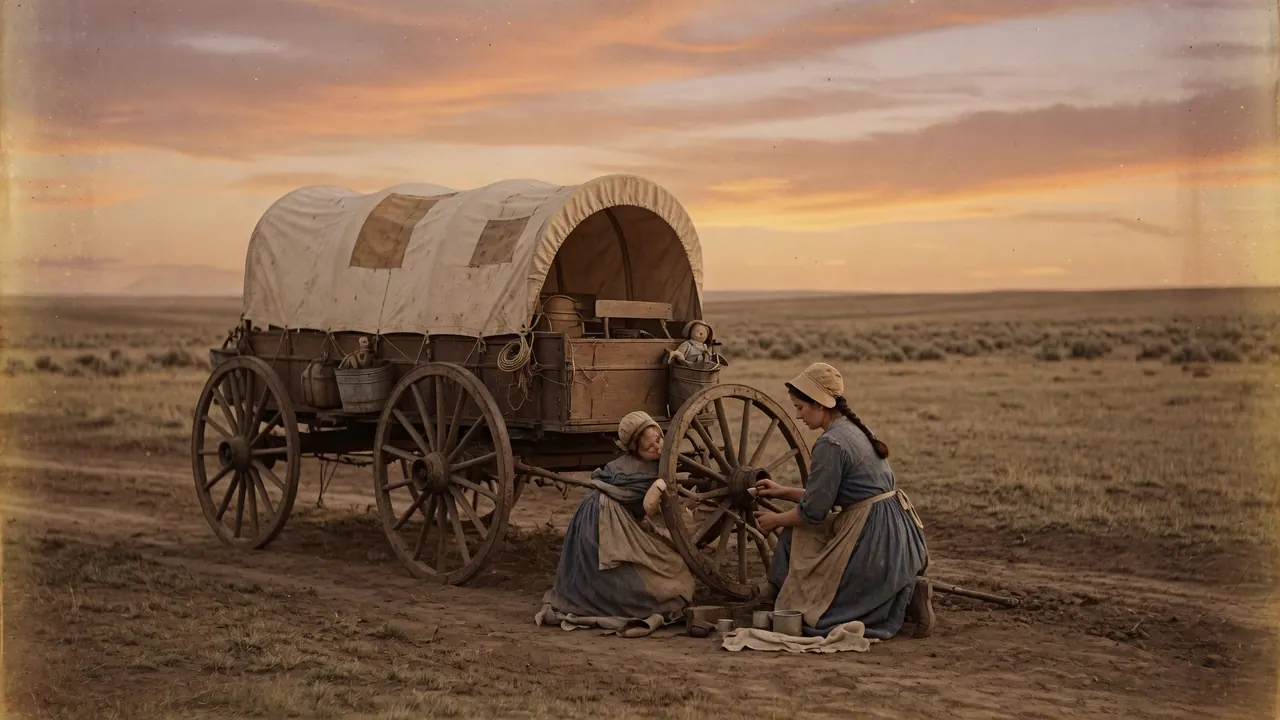
The frame also hides a grief. If the old tools do not work, some caregivers hear, you are not a real parent yet. Or, this child is choosing this, and neither sentence is fair. The tools were built for a different wagon.
The lens
Call it discipline after connection, or more precisely, learning after the body is back.
A child whose nervous system is regulated can learn from a cost, and a child whose nervous system is in survival can, at best, comply until the threat passes. Compliance is not the same as learning, and it is often the opposite of feeling safe enough to change.
On the wagon this sits on Love and Acceptance, and it leans hard on Safety. First Climb is where families meet it, and the child is no longer performing the easy version of themselves. The adults reach for the toolbox that worked on "most kids." The toolbox rings hollow. People start arguing about spoiling.
I do not think the answer is to throw the toolbox in the river. Limits still matter, and sleep still matters. Other children in the home still need to be physically safe, and the lens is about sequence. Connection first, not as a slogan, as a nervous-system fact, and the body has to come down enough to use tomorrow. Then a limit can land as information instead of as weather.
In my own practice I have noticed that the same sentence changes meaning based on the adult's state. "The wall is not for kicking" from a braced chest is a threat. The same words from a person who has already moved the child out of range, sat down, and waited, can be a map. The child is not decoding your parenting philosophy, and they are decoding whether you are safe while you are firm.
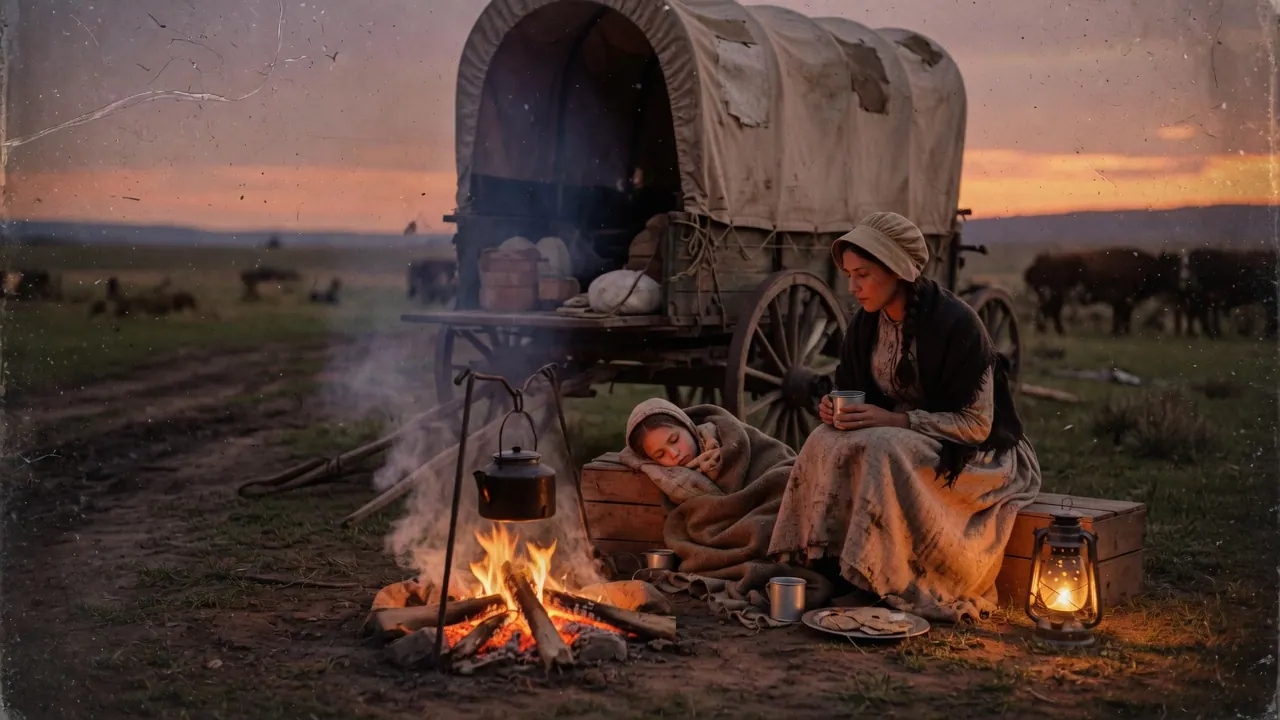
This is why so many trauma-informed rooms talk about co-regulation until the word gets tired. The tiredness is fair, and the idea is still the one I trust. Your calm is not a mood, and it is a piece of equipment the child's body borrows. If you do not have it tonight, you will not fake it with a better consequence. You might need a glass of water and a closed bathroom door for forty seconds. That is not indulgence, and that is putting the oxen back on their feet so the wagon can move.
I think of a ten-year-old who destroyed a homework sheet every evening. The school wanted a chart, and the caregiver built the chart with real care. The sheet still died, and when we got curious, the homework hour was the first quiet stretch after a loud bus. The body arrived already spent, and a cost at that hour was just more weather. We moved the work to the kitchen with a snack and a shorter page. The chart became irrelevant, and that is not a miracle story. It is a sequence story. The spoke was Calming and Predictable environment, not "respect for property," even though the paper was the thing on the floor.
I think of the teenager who missed curfew and then went blank in the lecture. Blank is not attitude in every body, and blank is often a freeze. If you stack consequences on a freeze, you are talking to a person who is not in the room. Better to get the body back, even if that means the conversation happens at breakfast when the sun is up and the threat of night has passed. The limit can still be named at breakfast, and it just has a chance of being heard.
People worry that waiting looks like permissiveness, and sometimes it will look that way to a relative. You can live with that look if the child is safer, and you can also name the limit in the moment without the essay. "I will not let you hit. We are going to the other room." Then later, when there is a nervous system present, the why.
This lens pairs with the unread-behavior frame. If the behavior is a message, then discipline that only addresses the volume of the message will miss the content. You still turn down the volume when someone could get hurt, and you do not pretend the volume was the whole letter.
On the trail, First Climb is full of families who think they have a discipline problem. Often they have a Safety-wheel problem that is wearing discipline clothes, and check the spoke before you buy a new system. Consistent routines, and calming. Predictable changes, and a warning before transitions. Those are not soft, and they are how a body learns that the next minute will not ambush it.
I have also seen this lens get stretched into a ban on all costs. That stretch does not hold. A child who drives a car without a license needs a different conversation than a child who dumped socks. The lens is not "never a cost." The lens is "do not use a cost as the first language with a body that cannot hear language yet."
Where this lens leads
You might keep the limit and drop the speech until later. You might measure success as "we both came back down" instead of "they admitted they were wrong." Admission is a late skill. Safety is an early one.
You might tell the school, without picking a fight, that at home you are working on regulation first and homework second for a season. Some teachers can hear that, and some cannot. You still have to live in the house.
You might look at the Love and Acceptance wheel after a hard night and ask whether the child was connected to anyone in the hour before the blow. Isolation plus a demand is a predictable storm.
You might also give yourself a sentence that is not in any parenting book. "This method was built for a different nervous system." That sentence can keep you from throwing the whole wagon over.
What this lens is not
This lens is not a claim that consequences never work, or that this child will never learn from them. Many children do, later, once the Safety wheel is turning. It is not permission to leave other people in harm's way while you wait for a feeling. It is not a diagnosis, and it is not a plan your child's clinician should be locked out of. If hitting is escalating, if a weapon is in the story, if you are scared in your own home, that is a care-team hour and possibly a 988 hour. A lens about sequence does not cover that ground.
It is also not a way to shame the families who still use the old toolbox. Most of us started there, and the trail is long. You can change sequence without making enemies of the people who have not yet.
These strategies are starting points, not substitutes for your child's care team.
Did this land well for you?
No comment section here. If you need to talk through what you read, the community Q and A is the place.